What's Holding Back From The Auto Accidents Industry?
What Causes Auto Accidents? You or someone you care about has been hurt in an auto accident. You are entitled to compensation for your losses. However, before you file an action, it's essential to know the reasons why these accidents happen and what can be done to prevent them from happening in the future. Car accidents can be caused by a myriad of factors. AccidentInjuryLawyers includes drivers, vehicles, and environmental conditions. 1. Drunk Driving Drunk driving is illegal in all statesand can result in auto accidents that result in injury or death. It's risky for drivers and passengers in the car as well as cyclists and pedestrians. Your ability to drive and your reaction time may be affected by alcohol in your bloodstream, particularly when you drink a lot in a short period of period of. You have impaired decision-making and coordination abilities, which means you aren't able to react quickly enough to road conditions and other vehicles on the road. In addition, drinking can cause memory lapses sometimes referred to as blackouts. This is due to the fact that your brain doesn't transfer information from short-term memory to long-term memory, so you may forget important information in the event of an incident while drunk. According to the National Highway Traffic Safety Administration, one-third of all traffic fatalities occur in crashes which involve drivers who have a blood alcohol level (BAC) above the legal limit of 0.08%. The majority of those who die in accidents involving alcohol are adults, but children can also sustain serious injuries or even die when a driver is under the influence. Because they are more likely to drink a lot, younger drivers are at greater risk of making a DUI than older people. This is when you consume excessively in a short time. It is more prevalent among young professionals and college students who attend social events where they can get alcoholic beverages. You can file a personal injury lawsuit to seek compensation for the injuries caused by an accident that involved an impaired driver. A skilled lawyer can help you obtain the compensation you need. You'll need to prove negligence per se and prove that the drunk driver is responsible for your losses. In addition, you'll need show evidence of the drunk driver's intoxication including eyewitness testimony and reconstruction of the accident. 2. Speeding Speeding is among the most common driving habits that causes auto accidents. It can also lead to thousands of deaths each year. According to the National Highway Traffic Safety Administration, nearly a third (33 percent) of fatal auto accidents result from speeding. The problem with speeding is that it can be hard to control your vehicle when you are at a higher speed which makes you more prone to get into a crash. Furthermore, speeds that are too rapid for the circumstances can increase the risk of other errors made by drivers, such as driving too close or when fatigued. This is the reason why speeding frequently happens in rural areas where the road conditions are less suitable for safe driving than in urban settings. If you're accused of speeding, you may try to convince an officer that you were driving safely in the circumstances that day. In some states, like Texas there's a system called “presumed speed limit violations,” which allows the court examine whether your speed was reasonable given the circumstances. However even in these cases, a judge has to decide if you were driving faster than other drivers on that particular road. Furthermore, your ability prove that you were in an emergency situation or were unable to slow down due to traffic or weather conditions could help you avoid the ticket. Although speeding is not something everyone should do but it does happen. Young drivers are more at risk than older drivers because they are more likely to get caught speeding. Fortunately the majority of states have a variety of tools that can help them catch those who speed in the act. 3. Distracted Driving Distracted driving happens when the driver's attention gets diverted from driving. These distractions could be either visual, cognitive, or manual. Examples include talking on a cell phone as well as texting, reading, eating, tuning the radio, using the navigation system, and conversing with passengers. These distractions can cause drivers to lose their focus on the road and can result in danger. They also increase the risk that the driver will not be able to react in time to avoid an accident or even see a problem coming up. The National Highway Traffic Safety Administration states that distracted driving is the reason for tens of thousands of a number of car accidents and deaths each year. In reality, tens to thousands of lives could be saved each year if drivers just quit engaging in any activity that takes their focus off the road. Despite state laws prohibiting the use of cell phones and other electronic devices while driving, a lot of people continue to do so. In a study conducted by the AAA Foundation for Traffic Safety researchers, they discovered that drivers who glanced at their phones or distracted for more than two seconds increased their chances of being in a crash. 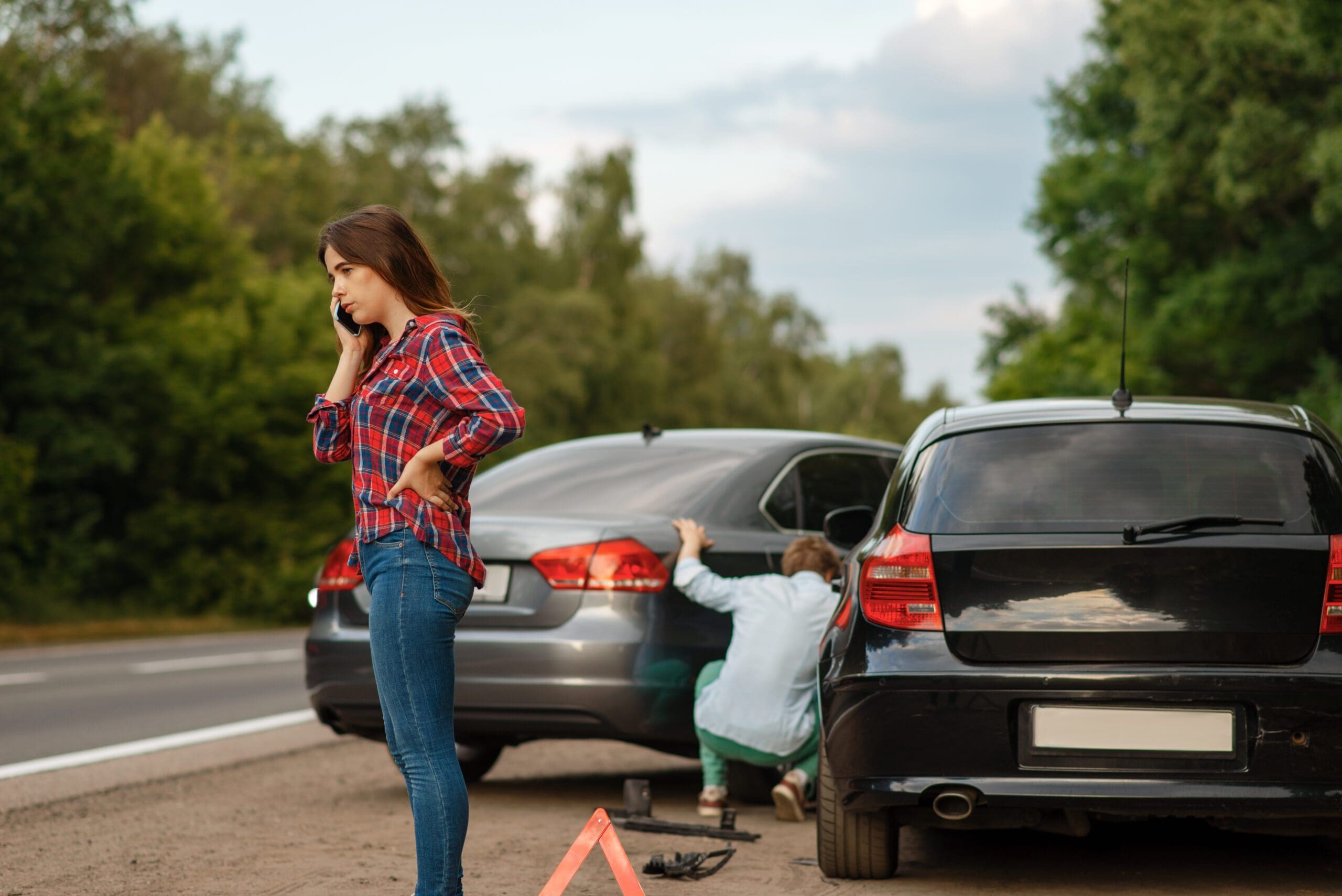 While using cell phones can be the most common source of distraction but other activities like drinking coffee and talking to passengers, eating and looking out the window, and watching a child from the back seat could lead to accidents in the car as well. Teen drivers are especially at risk of becoming distracted behind the driving. 4. Failure to Yield If a motorist fails to yield the right of way, they can cause an auto accident that results in serious injury or even death. People who are injured in these accidents may sue for damages to reimburse them for their expenses and losses. New York law requires drivers to yield the right of way to other vehicles that approach an intersection such as a stop sign, stop or stop sign. Drivers must also yield to pedestrians crossing streets that are not marked with a crosswalk. A failure to yield can lead to a collision between two vehicles or an accident with a pedestrian. These accidents usually result in pedestrians getting injured because they don't enjoy the same protections as vehicles. Failure to yield can result in severe injuries based on the vehicle's speed and weight. This can include broken bones or spinal cord injuries, lacerations and other serious injuries. The National Safety Council estimates that the failure to yield to accidents make up 15% of fatal traffic accidents. This is an impressive percentage that must be considered when evaluating safety for driving. Drivers who do not yield can be penalized for a traffic violation which could affect their license, insurance, or employment. If you have been ticketed for a failure to yield and you are unsure of your options, you should speak with an attorney who will help you understand your legal options. Lowney Law, LLC can assist you in filing an appeal for compensation for the failure to yield in a car accident. We will scrutinize all evidence and facts in order to determine who was the negligent party. Then we will file a strong case for you. 5. Side-Impact Collisions Side-impact collisions, also known as T-bone or broadside crashes, are some of the most hazardous types of auto accidents. They happen when a vehicle strikes another from the side, which can cause serious injuries and sometimes fatalities. These accidents can occur due to various reasons, such as distracted driving or failure to yield. Poorly functioning traffic signals and bad weather conditions that reduce visibility or extends stopping distance can cause these types of collisions. Despite the fact that seatbelts and other safety restraints are more sophisticated, they might not offer enough protection in collisions with a side. In addition, the amount of space between the occupant and other vehicles in these types of accidents is much less than in head-on collisions or rear-end collisions which leave a wide space for death and injury to occur. Injuries that may occur in side-impact accidents in cars include broken bones, cuts and bruising, and injuries to the back and neck. Chest injuries are also common such as rib fractures and internal bleeding. Unfortunately, some victims of side-impact collisions are guilty of waiting too long before being evaluated or do not seek medical attention at all. This can cause long-term effects, like concussions or traumatic brain injuries. It is also important to keep in mind that these crashes are particularly dangerous for elderly and children. These crashes can cause aortic damage as well as other serious complications which could even lead to death. In these instances it is imperative to seek legal advice from a seasoned auto accident attorney as soon as you can after the collision has occurred to protect your rights and ensure that you receive the compensation you're entitled to for your injuries.